Real life. Real thoughts. The messy middle of motherhood, mental health, and figuring it out. The space between staying and leaving, between healing and hurting.
What I Do After Microneedling (So I Don’t Ruin My Results)
After microneedling, proper aftercare is essential to protect the skin barrier and maximize collagen production. Focus on hydration, avoid active ingredients, and support healing for optimal results.
5 min read
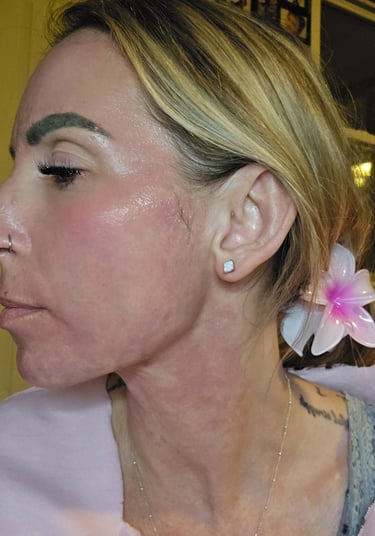
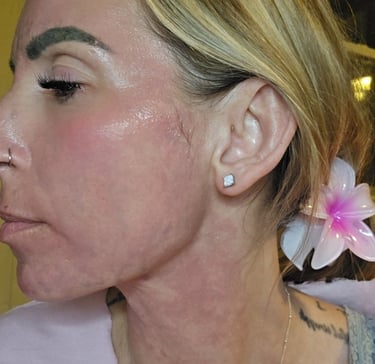
I've been in the beauty industry since 2001, which means I've seen a lot of skincare trends come and go. Every year there's a new miracle ingredient, a new treatment everyone swears by, and a new product promising to erase ten years overnight. Most of those things disappear as quickly as they arrive. Microneedling isn't one of them.
Microneedling has stuck around because it works.
Now, before anyone thinks I've completely lost my mind, let's acknowledge how ridiculous microneedling sounds when you explain it to someone who has never heard of it. "Oh, I'm just going to sit here and intentionally poke tiny needles into my face so my skin looks better." On paper, that's a terrible sales pitch. Yet every other week, there I am with my Qure Micro-Infusion System, willingly puncturing my face and wondering how beauty became such a strange hobby.
The funny thing is, after more than twenty years in this industry, very few treatments have earned a permanent place in my routine. Microneedling is one of them.
The reason is simple: collagen.
Collagen is the protein responsible for helping skin stay firm, smooth, and resilient. Unfortunately, collagen production naturally declines as we age. In fact, experts estimate we lose about 1% of our collagen production every year after our twenties. Nobody asks for permission. Nobody sends a warning email. One day your skin is bouncing back effortlessly, and the next day you're staring at a line that wasn't there six months ago wondering if your mirror is malfunctioning.
Microneedling works by creating controlled micro-injuries in the skin. Those tiny injuries trigger your body's natural repair response, encouraging collagen and elastin production. Think of it like sending your skin back to the construction site. Your body sees the tiny injuries and immediately starts rebuilding.
That's the science.
The problem is that a lot of people spend all their energy focusing on the treatment itself and completely forget about what happens afterward.
And honestly?
That's where people mess up.
Why Microneedling Aftercare Matters
After microneedling, your skin isn't just "a little sensitive." It's actively repairing itself. Those tiny channels created during treatment are doing exactly what they're supposed to do. Your skin is producing growth factors, increasing circulation, stimulating collagen production, and beginning the healing process.
During this time, your skin is also more vulnerable.
That means products that normally don't bother you might suddenly feel irritating. Active ingredients that usually work beautifully can become too aggressive. Even something as simple as touching your face constantly can create problems.
This is not the time to play skincare roulette.
I've watched people spend money on treatments only to go home and attack their skin with exfoliating acids, retinol, scrubs, and enough active ingredients to make their face question every life decision that led to that moment.
Your skin doesn't need more work after microneedling.
It needs support.
What I Actually Do After Microneedling
When I use my Qure Micro-Infusion System, I immediately simplify everything.
No complicated routines.
No experimenting.
No trying the latest product that just arrived in the mail.
I focus on three things:
Hydration.
Protection.
Patience.
That's it.
The first thing I do is leave my skin alone. This might sound obvious, but people struggle with it. We spend money on skincare because we want results, and when we want results, our instinct is often to do more.
More isn't better after microneedling.
Better is better.
I focus on keeping my skin hydrated and comfortable while allowing it to do the job it was designed to do.
The First 24 Hours
The first day after microneedling is all about being gentle.
My skin usually feels warm, tight, and a little sunburned. Not terrible. Not painful. Just aware that something happened.
This is normal.
Your skin is working.
During this period, I avoid active ingredients and focus on supporting my skin barrier. Hydration becomes the priority because healthy, hydrated skin heals more effectively.
This is also the day I remind myself that touching my face every five minutes isn't helping.
I know.
It's tempting.
Don't do it.
The First 48 Hours
The second day is where a lot of people start making mistakes.
Their skin looks calmer, so they assume it's fully healed.
It's not.
Just because the redness has improved doesn't mean the repair process is finished. Collagen production continues long after visible redness disappears.
I continue focusing on hydration and barrier support while avoiding products that could create unnecessary irritation.
Think of it this way: if your skin is busy rebuilding, why would you make its job harder?
What I Avoid After Microneedling
For the first several days after treatment, I avoid:
Harsh exfoliants
Aggressive acids
Physical scrubs
Picking or scratching
Overloading my routine
Unnecessary irritation
One of the biggest skincare myths is that more products equal better results.
Sometimes fewer products create better outcomes.
Especially after microneedling.
Why Hydration Is Everything
If I could give one piece of post-microneedling advice, it would be this:
Hydrate.
Then hydrate some more.
Healthy skin heals better. A healthy skin barrier supports recovery. Moisturized skin generally tolerates the healing process more comfortably.
It's not exciting advice.
Nobody is making viral TikToks about the importance of being consistently hydrated.
But it works.
And after more than twenty years in beauty, I've become far more interested in what works than what gets the most attention.
The Biggest Lesson Microneedling Taught Me
The longer I'm in this industry, the more I realize beauty isn't usually about dramatic transformations.
It's about consistency.
The same lesson shows up everywhere.
In skincare.
In fitness.
In mental health.
In relationships.
The things that improve our lives rarely happen overnight. They happen through small actions repeated over time.
Microneedling isn't magical because of one treatment.
It's effective because of what happens when you continue showing up.
That's true for skincare and for a lot of other things in life.
Frequently Asked Questions
Does microneedling really stimulate collagen?
Yes. Microneedling encourages the skin's natural repair process, which can stimulate collagen and elastin production over time.
How often should you microneedle at home?
I personally use my Qure Micro-Infusion System every other week, following the manufacturer's guidelines.
How long does redness last after microneedling?
Most people notice redness improving within 24 to 48 hours, although individual healing times vary.
Can I use tretinoin after microneedling?
I personally wait until my skin feels fully recovered before reintroducing active ingredients.
Can I wear makeup after microneedling?
Giving your skin time to recover before applying makeup is generally the gentler approach.
Does microneedling help wrinkles?
Microneedling may improve the appearance of fine lines and wrinkles by supporting collagen production.
Does microneedling help acne scars?
Many people use microneedling to improve the appearance of certain types of acne scars over time.
Is the Qure Micro-Infusion System worth it?
For me, yes. After decades in beauty, it's one of the few treatments I've consistently continued using because I genuinely enjoy the results.
At the end of the day, microneedling isn't really about chasing perfection. It's about supporting your skin, working with your body's natural processes, and being patient enough to let those processes do their job. The treatment matters, but what happens afterward matters just as much. Sometimes the best thing you can do for your skin isn't adding another product—it's simply getting out of your own way and letting it heal.
~Tj 🩷