Real life. Real thoughts. The messy middle of motherhood, mental health, and figuring it out. The space between staying and leaving, between healing and hurting.
The Truth About Botox at 43: What Nobody Told Me
Thinking about Botox in your 40s? Here's my honest experience with Botox at 43, including what it can do, what it can't do, common myths, costs, confidence, aging, and the emotional side nobody talks about.
7 min read
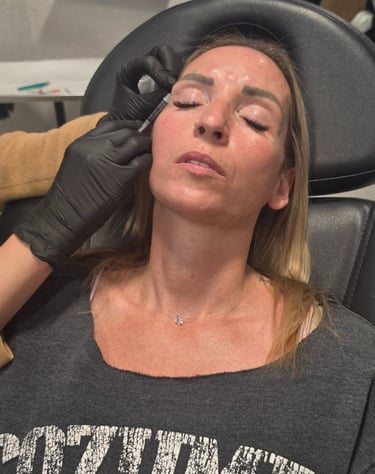
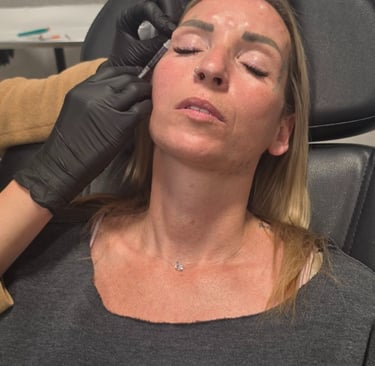
There comes a point where the mirror starts feeling a little rude. Not because you've suddenly aged overnight, and not because you've transformed into someone you don't recognize, but because one day you notice something that wasn't there before. Maybe it's a line that lingers after you stop making an expression. Maybe it's a crease that seems deeper than it used to be. Maybe it's a photo that catches you off guard because the version of yourself in your head doesn't quite match the version staring back at you. Whatever it is, once you see it, you can't unsee it. That's the funny thing about aging. It doesn't usually arrive with fireworks and an announcement. It slips in quietly, settles into your face, and waits for you to notice.
At 43, I still feel like myself. I still laugh too hard at things that probably aren't funny. I still think I have more time than I do. I still catch myself acting like I'm thirty until I stand up too fast and my body reminds me otherwise. Mentally, I don't feel dramatically different than I did ten years ago. The problem is that sometimes the mirror has a different opinion. That's what nobody really talks about when it comes to aging. We hear about wrinkles, collagen loss, skincare routines, and anti-aging products, but we don't talk enough about the emotional side of it. We don't talk about the strange disconnect between how young we feel inside and the changes we start noticing on the outside.
For me, Botox entered the conversation slowly. It wasn't some dramatic decision. It wasn't something I obsessed over for years. It was more like a growing curiosity. I noticed lines in my forehead. I noticed movement that seemed more obvious in photos. I noticed crow's feet appearing when I smiled. None of these things were terrible. None of them were making me hide from the world. But they were things I found myself focusing on more than I wanted to. The more I noticed them, the more I realized I was spending time criticizing myself over things that were simply part of getting older.
The conversation around Botox is fascinating because people tend to fall into extremes. You're either completely against it or completely for it. You're either aging naturally or you're desperately trying to hold onto your youth. Social media especially seems to love this argument. Everything has to be black and white. The reality, at least from where I'm sitting, is much more complicated. Most women aren't trying to become twenty-five again. Most women aren't trying to erase every sign that they've lived a life. Most women simply want to feel comfortable in their own skin while navigating changes they weren't entirely prepared for.
That's what Botox became for me. Not a miracle. Not a transformation. Not a desperate attempt to stop time. Just one tool among many. The same way I use skincare. The same way I microneedle. The same way I use my LED mask. It wasn't about becoming someone else. It was about softening the things I personally fixated on every time I looked in the mirror. That's an important distinction because Botox gets talked about as if it's some magical confidence injection, and it isn't.
One of the biggest surprises for me was realizing how many people assume that women who invest in their appearance must automatically be confident. I've heard variations of it for years. "She knows she's pretty." "She must be confident." "Look how put together she is." The reality is that confidence and effort are not the same thing. Sometimes effort is actually insecurity wearing really good mascara. Sometimes the woman researching skincare ingredients at midnight isn't doing it because she thinks she's beautiful. Sometimes she's doing it because she's struggling with what she sees when she looks in the mirror. I know that because I've been that woman.
Botox didn't fix that.
I think that's one of the most important things anyone considering Botox should understand. Botox can soften lines. It can reduce movement in certain muscles. It can make you look more rested and refreshed. What it cannot do is heal insecurity. It cannot create self-worth. It cannot teach you how to love yourself. Trust me, I checked. The first time Botox kicked in, I didn't suddenly become a woman overflowing with confidence. I was still me. The same insecurities existed. The same self-critical thoughts existed. The same tendency to focus on flaws existed. The difference was that one of the things I had been obsessing over no longer demanded my attention every time I looked in the mirror.
And honestly? That was enough.
The older I get, the more I realize that beauty isn't really about beauty. It's about identity. It's about confidence. It's about self-expression. It's about how we feel when we walk into a room and how we talk to ourselves when nobody else is listening. That's why aging can feel surprisingly emotional. We aren't grieving wrinkles. We're grieving change. We're grieving younger versions of ourselves that no longer exist. We're adjusting to the reality that time is moving whether we're ready for it or not.
People love saying that aging is a privilege, and they're right. It is. There are people who never got the chance to grow older. There are people who would gladly trade places with us. I understand that. I believe that. I can appreciate aging and still struggle with it. Both things can be true. I can be grateful for every year I've lived and still dislike finding a new wrinkle. I can believe women should age however they want and still choose Botox for myself. Human beings are complicated. Women are complicated. The relationship we have with our appearance is complicated.
One thing nobody told me about getting older is how much mental energy can be tied up in appearance. Not because appearance is the most important thing in life, but because we live in a world that constantly reminds women that youth is valuable. Every advertisement, every beauty campaign, every anti-aging product is essentially built around the same message: don't get older. Fight it. Prevent it. Reverse it. It's impossible not to absorb some of that messaging after years of hearing it. Even when we know better, it still sneaks in.
That's why I think the Botox conversation needs more honesty. The internet is filled with extreme opinions. Botox is either the best thing ever or the worst thing ever. It's either empowering or pathetic. The truth is much less dramatic. For most people, Botox is simply maintenance. It's a choice. It's no different than coloring your hair, getting your nails done, or wearing makeup. Some people do it. Some people don't. Neither choice is morally superior.
If you're considering Botox, my biggest advice is to have realistic expectations. Botox doesn't stop aging. It doesn't freeze time. It doesn't solve self-esteem issues. It doesn't turn you into a different person. What it can do is soften certain lines and reduce movement in specific areas. That's it. The women who seem happiest with Botox are usually the women who understand that going in. They're not expecting a miracle. They're expecting maintenance.
The practical side matters too. Botox isn't permanent. Most people need treatments every three to four months to maintain results. That means there's an ongoing financial commitment. It's not something you do once and never think about again. It's more like hair color than skincare. If you like the results, you'll likely continue maintaining them. That's something worth considering before you start.
For me, it's been worth it. Not because I think Botox is magical. Not because I think everyone should do it. Not because I think aging is something to fear. It's been worth it because it helps me feel a little more comfortable in my own skin. That's really what beauty comes down to these days. Not perfection. Not youth. Not looking like someone else. Just feeling comfortable being yourself.
At 43, I'm still figuring out my relationship with aging. Some days I look in the mirror and see growth, wisdom, resilience, and experience. Other days I see a wrinkle and immediately begin negotiating with the Universe. Most days I'm somewhere in the middle. Maybe that's where a lot of us are. Not completely accepting every change, but not completely fighting them either. Just learning as we go.
And maybe that's the truth nobody told me about Botox. It wasn't really about wrinkles. It wasn't really about my forehead. It wasn't really about aging at all. It was about learning that it's possible to care about your appearance without letting your appearance determine your worth. That's a lesson no syringe can teach. But sometimes softening a few lines gives you enough space to finally hear it.
~Tj 🩷
Frequently Asked Questions About Botox
What age should you start Botox?
There is no perfect age. Many people begin when expression lines start lingering longer than they used to.
Does Botox hurt?
Most people describe it as a quick pinch. The procedure is usually very fast.
How long does Botox last?
Results typically last around three to four months, although this varies by person.
Will Botox make me look frozen?
Not necessarily. Conservative treatment often results in a refreshed appearance while maintaining natural movement.
Is Botox worth it?
That depends on your goals, budget, and expectations. For me, it has been worth it.
Does Botox stop aging?
No. Aging continues. Botox simply reduces muscle movement that contributes to certain wrinkles.
Can Botox improve confidence?
It can help some people feel better about specific concerns, but it cannot replace self-esteem, self-worth, or self-acceptance.
What areas are most commonly treated with Botox?
The forehead, crow's feet, and the area between the eyebrows are among the most common treatment areas.
~Tj🩷