Real life. Real thoughts. The messy middle of motherhood, mental health, and figuring it out. The space between staying and leaving, between healing and hurting.
The Mother I Was vs. The Mother I’m Becoming
Living with bipolar disorder and BPD while raising daughters meant I didn’t always get motherhood right—but healing, self-awareness, and honest conversations are changing everything.
5 min read
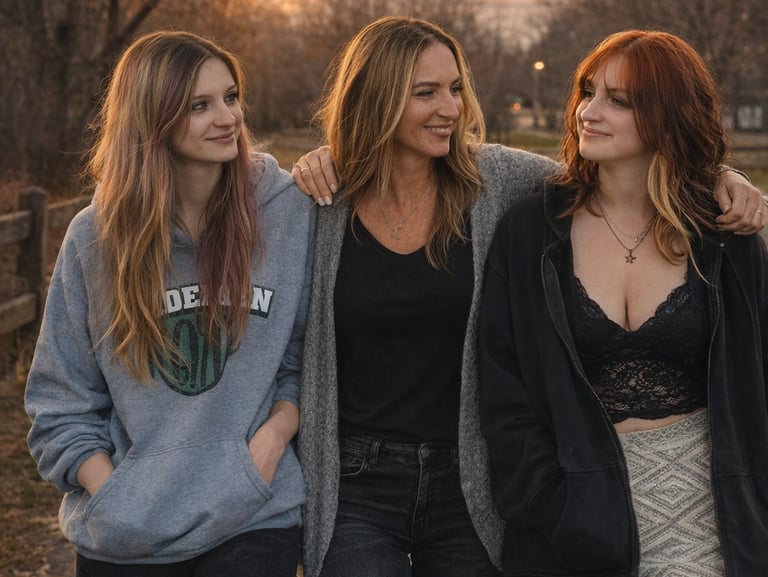

There was a time when I thought being a good mother meant never letting my children see me struggle.
I thought strength looked like holding everything together. I thought good mothers stayed calm, patient, emotionally steady, and somehow knew exactly what to do in every situation. I believed that if I loved my daughters enough, worked hard enough, and tried hard enough, I could protect them from every imperfect part of me. Looking back now, I can see how unrealistic that expectation was. The truth is, I wasn't raising my daughters from a place of complete healing. I was raising them while I was still trying to heal myself.
At the time, I didn't fully understand that. Like many mothers, I was focused on getting through the day. There were lunches to pack, bills to pay, rides to give, schedules to manage, and two girls who needed me. Life doesn't pause while you're struggling. Children still need comfort when you're overwhelmed. They still need guidance when you're questioning yourself. They still need consistency when your own emotions feel anything but consistent. Motherhood keeps moving forward whether you're having a good day or a difficult one.
Living with bipolar disorder and borderline personality disorder while raising children wasn't something I could separate into neat little categories. There wasn't a motherhood version of me and a mental health version of me. They existed together, influencing each other in ways I didn't fully understand at the time. Some days felt manageable. Other days felt incredibly difficult. Some mornings I felt grounded, productive, and connected. Other days it felt like I was carrying an emotional backpack full of bricks before my feet even touched the floor.
Bipolar disorder affects mood, energy, motivation, and stability. Borderline personality disorder can intensify emotions and make reactions feel immediate, urgent, and overwhelming. When you combine those challenges with the demands of parenting, it creates a unique experience that isn't talked about nearly enough. People often discuss mental health and motherhood separately, but many parents are navigating both at the same time. They're raising children while also learning how to manage their own minds, emotions, triggers, and behaviors.
For a long time, guilt became part of my parenting experience.
Not because I didn't love my daughters.
Because I loved them so much.
I think that's something many mothers understand. The guilt doesn't come from a lack of caring. It comes from caring so deeply that every mistake feels bigger than it actually is. It's the guilt that shows up after you lose your patience. The guilt that appears when you replay a conversation and think of a better response three hours later. The guilt that convinces you one difficult moment somehow outweighs the thousands of loving moments that came before it.
For years, I carried that guilt around like it was proof that I cared. I thought replaying my mistakes meant I was holding myself accountable. I thought if I thought about them long enough, somehow I could undo them. What I eventually learned is that guilt and growth are not the same thing. Guilt keeps you staring at the past. Growth helps you learn from it.
That distinction changed everything for me.
One of the biggest shifts in my life happened when I stopped asking, "What's wrong with me?" and started asking, "What is happening here?" That small change created space for curiosity instead of shame. Instead of seeing myself as broken, I started recognizing patterns. I began noticing emotional triggers, automatic reactions, and behaviors that had been running on autopilot for years. Awareness didn't instantly solve anything, but it gave me something I didn't have before.
Choice.
Before awareness, everything felt immediate. Emotions showed up and reactions followed. By the time I understood what happened, the moment was already over and guilt had taken over. Once I became more aware, I started noticing things sooner. I could feel frustration building before it exploded. I could recognize when I was becoming overstimulated. I could identify when old wounds were influencing current situations.
That pause became one of the most important tools I've ever learned.
The pause is where growth lives.
It doesn't sound impressive. Nobody celebrates a mother for taking a deep breath instead of reacting. Nobody hands out awards for walking away from an argument to calm down. Those moments aren't dramatic. They're quiet. But they're powerful. Because when you're used to reacting instantly, even a few seconds of awareness can completely change an outcome.
One thing I've learned through therapy, DBT, and a lot of uncomfortable self-reflection is that emotional regulation isn't about never feeling intense emotions. It's about learning how to respond to those emotions differently. That's an important distinction. I still have feelings. I still get overwhelmed. I still have difficult days. The difference is that now I have tools. I have awareness. I have a better understanding of what is happening internally before it spills into everything around me.
The older my daughters get, the more I realize they never needed perfection from me.
They needed honesty.
They needed consistency.
They needed effort.
For years I thought being a good mother meant getting everything right. Now I think being a good mother means being willing to grow. It means being willing to apologize when necessary. It means being willing to listen when your children share experiences that are difficult to hear. It means taking accountability without allowing shame to take over.
Some of the most meaningful conversations I've had with my daughters have happened as they've gotten older. We've talked about things that happened years ago. We've discussed emotions, misunderstandings, struggles, and experiences from different perspectives. Those conversations haven't always been comfortable, but they've been healing.
One of the hardest lessons I've learned is the difference between intent and impact. As parents, we remember our intentions. We remember the stress we were carrying, the circumstances we were facing, and how hard we were trying. Our children remember their experience. Both perspectives matter. Both can be true. Understanding that helped me stop viewing accountability as a threat and start viewing it as an opportunity for connection.
What surprised me most is that repair has become one of the most powerful parts of our relationship.
For a long time, I thought mistakes were what damaged relationships. Now I think avoidance does far more damage. Relationships aren't built on perfection. They're built on what happens after something goes wrong. They're built on conversations, accountability, understanding, and the willingness to come back together after difficult moments.
That lesson changed the way I view motherhood.
I no longer measure success by whether I get everything right. I measure it by whether I'm willing to learn. Whether I'm willing to grow. Whether I'm willing to keep showing up.
The mother I was did the best she could with what she knew at the time. She loved her daughters fiercely. She worried constantly. She got some things right and some things wrong. She was trying to navigate motherhood while also carrying struggles she didn't fully understand yet.
The mother I'm becoming isn't perfect either.
She still has difficult days.
She still gets overwhelmed.
She still makes mistakes.
The difference is that she understands herself better now. She knows growth matters more than perfection. She knows accountability isn't the same thing as self-punishment. She knows repair is powerful. She knows awareness creates choice.
Most importantly, she knows that being a good mother isn't about never falling short.
It's about continuing to learn, grow, and show up anyway.
Because at the end of the day, my daughters don't need a perfect mother.
They need a real one.
And for the first time in a very long time, that feels like enough.
~Tj 🩷