Real life. Real thoughts. The messy middle of motherhood, mental health, and figuring it out. The space between staying and leaving, between healing and hurting.
What Finally Makes Me Leave
Leaving a relationship isn’t always about one big moment—it’s often the slow build of repeated patterns, emotional exhaustion, and the point where staying finally feels heavier than walking away.
6 min read
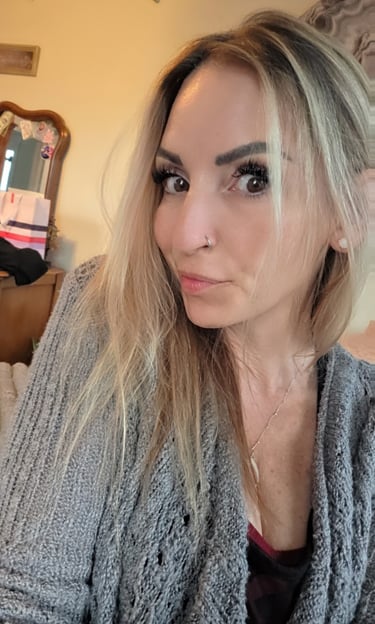

Leaving a relationship isn’t always about one big moment. More often, it’s the slow build of repeated patterns, emotional exhaustion, and the point where staying finally feels heavier than walking away.
I don’t leave right away. I stay longer than I should, explain more than I should, and give more chances than I should. I sit in conversations that go in circles and try to make things make sense when they don’t. I tell myself it’s just a phase, just stress, just a rough patch. I convince myself that if I communicate better, react differently, or give it more time, something will shift. That’s how it always starts—not with a breaking point, but with hope. Hope that things will get better, that they’ll understand, and that the version of them you see in small moments is actually who they are underneath everything else.
So when I do finally leave, it’s not random and it’s not impulsive. It’s built slowly over time. It’s every conversation that didn’t go anywhere, every moment I felt something was off but stayed anyway, and every time I told myself “this isn’t it” and ignored it. It’s every time I chose understanding over honesty just to keep the peace. It’s the accumulation of things I didn’t say and feelings I kept trying to rationalize. It stacks, and the thing about emotional buildup is that you don’t always feel the weight of it right away. You adjust to it. You normalize it. You learn how to function inside of it until one day you can’t anymore.
Relationship experts often refer to this as gradual emotional erosion. Most relationships don't end because of one catastrophic event. They end because of repeated experiences that slowly chip away at trust, connection, emotional safety, or hope. It's rarely the giant fight people remember. More often, it's the conversation that never gets resolved, the concern that keeps getting dismissed, the promise that never turns into action, or the feeling that you're carrying more emotional weight than the relationship can actually support.
That's why people often stay longer than outsiders think they should. Friends see the ending and wonder why you stayed. Family members see the final chapter and assume the answer was obvious. What they don't see are the hundreds of chapters before it. They don't see the hope. They don't see the love. They don't see the daily negotiations happening inside your head.
Because leaving isn't usually one decision.
It's hundreds of tiny decisions happening beneath the surface.
It's deciding to try again.
It's deciding to forgive again.
It's deciding to have another conversation.
It's deciding to believe another promise.
It's deciding that maybe this time will be different.
Until eventually, you stop believing that.
There’s a point where something shifts, and it’s not in them—it’s in me. That shift isn’t loud or dramatic. It doesn’t come from one final fight or a moment people can easily point to. It’s quiet. It’s the moment I stop explaining, the moment I don’t feel the need to be understood anymore, and the moment I don’t even want to try to fix it. That’s when it’s over for me. Not when I’m crying or angry, but when I’m done reacting. Anger still has energy and attachment. It still means you care enough to fight. But when you reach the point where you don’t even have the energy to respond, that’s different. That’s detachment. That’s when something in you lets go.
What surprised me most is that emotional detachment doesn't feel the way people think it will. Most people imagine the end of a relationship as dramatic. They picture screaming matches, slammed doors, blocked phone numbers, and explosive arguments. Sometimes it looks like that.
A lot of the time, it doesn't.
A lot of the time, emotional detachment is incredibly quiet.
Psychologists describe emotional detachment as a protective response that can happen after prolonged disappointment, unresolved conflict, or emotional exhaustion. Eventually, the brain stops investing energy into outcomes it no longer believes will change.
In simple terms, you get tired.
Not physically tired.
Soul tired.
Conversation tired.
Hope tired.
You stop arguing because you've already had the argument a hundred times in your head. You stop explaining because you've already explained it a hundred different ways. You stop asking because you've stopped believing the answer will be different.
And while that sounds sad, there's something freeing about it too.
Because that's usually the moment you stop trying to force something into becoming what it isn't.
From the outside, it probably looks sudden, like I woke up one day and decided I was done. Like it came out of nowhere or like I didn’t try. But that’s never the reality. I was leaving in pieces long before I physically walked away. People don’t see the mental exhaustion of replaying conversations, trying to figure out what went wrong or what you could have done differently. They don’t see the emotional back-and-forth of wanting to stay and wanting to leave at the same time. They don’t see the internal conflict of loving someone but knowing something isn’t right. They only see the ending.
By the time I get there, there’s nothing left of me in it. That’s what finally makes me leave. It’s not one moment, one fight, or one final straw. It’s the slow realization that I’ve already stayed past the point of feeling anything at all. That’s a different kind of ending because it isn’t fueled by anger or chaos. It’s quiet, and it’s empty. And honestly, that emptiness is what makes it final. When you leave angry, there’s still emotion tying you to the situation. But when you leave because you feel nothing, that’s when you know it’s truly over.
I don’t shut off easily. I feel everything deeply, sometimes more than I want to. I process, I overthink, and I try to understand. I don’t walk away the first time something gets hard. If anything, I stay too long trying to make it work. So if I reach the point where I’m done, it didn’t happen overnight. It happened after I tried, after I stayed, after I gave chances, and after I had conversations that went nowhere. It happened after I adjusted myself, hoping something would meet me halfway. When that doesn’t happen enough times, something in you changes. You stop expecting, stop hoping, and stop trying to be seen by someone who isn’t looking. Eventually, you stop reacting altogether.
That’s the real ending. There’s no big scene, no dramatic exit, and no perfect closure conversation. Just a quiet decision that builds over time. And once I make that decision, I don’t go back. Not because I don’t care, but because I already cared enough for both of us. There’s only so long you can carry something alone before your mind and body start pulling back. When they do, it’s not about giving up—it’s about recognizing that nothing is changing.
One of the hardest lessons I've learned is that staying and loving are not always the same thing.
We often romanticize endurance. We praise loyalty. We celebrate people who never give up on relationships. While those things can be beautiful, there comes a point where staying stops being an act of love and starts becoming an act of self-abandonment.
Healthy relationships require effort from both people. They require communication from both people. They require growth, accountability, and participation from both people.
You can't communicate enough for two people.
You can't grow enough for two people.
You can't carry enough for two people forever.
Eventually, every relationship asks the same question:
Is there enough here to keep building?
Or am I carrying this alone?
Those are two very different realities.
And learning the difference might be one of the most important things we ever do.
So if it ever looks like I left too easily or too quickly, the truth is the opposite. I stayed longer than I should have, tried more than I needed to, and gave chances that weren’t always deserved. By the time I finally walked away, I had already said goodbye in a hundred different ways. It just didn’t look like goodbye at the time.
~Tj🩷