Real life. Real thoughts. The messy middle of motherhood, mental health, and figuring it out. The space between staying and leaving, between healing and hurting.
Microneedling Results Timeline: What to Expect Week by Week
Microneedling results develop over several weeks, not overnight. Expect redness and sensitivity in the first 24–48 hours, followed by gradual improvements in skin texture, tone, and collagen production. Consistency and proper aftercare are key for long-term results.
4 min read
I’ve been in the beauty industry since 2001, and if there’s one thing I’ll say about microneedling, it’s this: if you’re expecting instant results, you’re going to miss the entire point of it.
Microneedling is not a quick fix. It’s not a one-and-done treatment. It’s one of those things that works quietly, under the surface, long before you see anything dramatic in the mirror. And once you understand how that process actually unfolds, it changes the way you look at your skin completely.
Because this isn’t about forcing your skin into looking better overnight. It’s about triggering your body to rebuild it from within.
Microneedling works by creating controlled micro-injuries in the skin. That sounds intense, but it’s exactly what stimulates your natural healing response. When your skin senses those tiny punctures, it increases collagen and elastin production, speeds up cell turnover, and begins repairing itself at a deeper level.
That’s where the real results come from—not the moment you finish the treatment, but everything your skin does after.
Right after microneedling, your skin is going to be red, warm, and tight. It usually feels like a mild sunburn, and depending on your skin, there can be a little stinging or heat. This is the inflammatory phase of healing, and it’s completely normal. Your body is sending blood flow to the area, increasing circulation, and starting the repair process immediately.
Within the first 24 hours, your skin is more sensitive than usual. It’s also more vulnerable, which is why what you do during this time matters so much. This is not the moment to overload your skin with products or try something new. Your focus should be on calming, hydrating, and protecting your barrier.
By day two, the redness starts to fade, but your skin can still feel dry, tight, or slightly rough. This is the stage where people tend to panic a little. It doesn’t look amazing yet, and it doesn’t feel like progress. But this is exactly what healing looks like. Your skin is working beneath the surface, even if it hasn’t caught up visually yet.
Days three through five are when things start to shift. Your skin begins to look more even, smoother, and a little brighter. It’s subtle, but noticeable. This is where that “something looks better but I can’t explain it” feeling comes in. You’re starting to see the early stages of renewal.
Around the end of the first week, your skin has moved past the initial healing phase and into regeneration. Cell turnover is increasing, and your skin is replacing older, damaged cells with new ones. Texture starts improving, and your overall tone looks more balanced.
Week two is where microneedling really begins to show its value. Collagen production is actively increasing at this point, and your skin is becoming stronger from within. You might notice that your skin feels thicker, smoother, and more resilient. Fine lines can start to soften, and uneven areas begin to look more refined.
This is also why consistency matters. One session can give you a glow, but repeated sessions are what build lasting change. Your skin responds to patterns, not one-time effort.
By weeks three and four, the deeper benefits become more noticeable. This is when elasticity improves and your skin starts to hold structure better. That natural glow becomes more consistent, not just something you see for a day or two. Your skin looks healthier overall, not just temporarily improved.
What most people don’t realize is that collagen production continues even beyond this point. Your skin is still rebuilding and strengthening itself weeks after the treatment. That’s why microneedling is often described as cumulative. The more consistent you are, the more your results build over time.
There’s also something else that doesn’t get talked about enough—the way your skin feels during this process. Not just physically, but in how you relate to it. Microneedling forces you to slow down. You can’t rush the healing. You can’t force results. You have to let your skin do what it’s designed to do.
And for a lot of people, that’s uncomfortable.
We’re used to quick fixes. Instant results. Products that promise everything overnight. Microneedling doesn’t work like that. It requires patience, consistency, and a level of trust in your own skin.
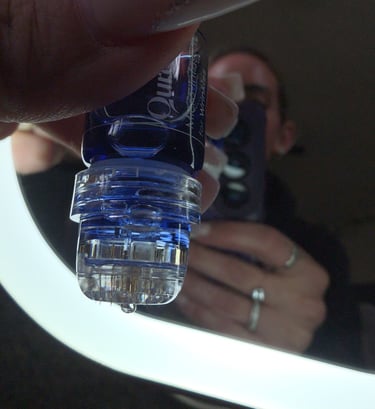
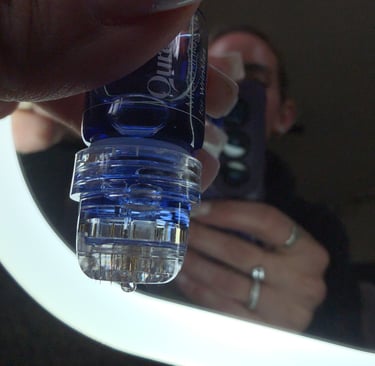
Personally, I do at-home microneedling every other week using the Qure Micro Infusion System. I stick to a schedule, I keep my aftercare simple, and I don’t try to rush the process.
And yes, it stings a little after. It feels like a mild sunburn, and your skin definitely lets you know something just happened. But that’s part of it. I’d do it 1,000 times over because I understand what’s happening underneath the surface.
After 20+ years in this industry, I don’t chase quick results anymore. I look for what actually builds better skin over time. Microneedling is one of those treatments that, when done correctly and consistently, gives you results that don’t look forced or artificial.
It’s not about perfection. It’s about progression.
And once you understand that timeline, you stop expecting instant results and start appreciating the process your skin is going through.
Because the real transformation isn’t happening in the mirror right away.
It’s happening underneath it.
~Tj🩷